Pharmaceutical From Standard to Specialist Capsule Formats Hard gelatin, HPMC, inhalation and vaginal formats engineered for every therapeutic need.
Nutraceutical Consumer-Ready Nutraceutical Formats Capsules and branded ingredients built for supplement manufacturers who demand differentiation.
Pharmaceutical CDMO
Accelerating Drug Development
Our Innovaform Accelerator and Tampa facility combine formulation science with scalable manufacturing.
CDMO Partnership
Full-Service Nutraceutical Manufacturing
From concept to market-ready product — your end-to-end nutraceutical development partner.
Our Story
Partners in Drug Delivery Innovation
A global leader in capsule technologies, committed to advancing pharmaceutical and nutraceutical science.
Made in North America: U.S. & Mexico-Based Capsule Manufacturing for Long-Term Supply Stability
Recent trade developments and domestic capacity shifts are changing the hard empty capsule sourcing landscape in the U.S. Final antidumping (AD) and countervailing duty (CVD) determinations now apply to hard empty capsules imported from China, India, Brazil, and Vietnam, cementing duties ranging from 8% to 88% for the next five years on top of existing, volatile tariff policies. In parallel, the announced closure of a major U.S. capsule manufacturing site by the end of 2026 will further reduce domestic capacity, reinforcing the need for proactive continuity planning.

- Current geopolitics and tariff policies increase landed cost volatility and supply chain planning complexity
- Domestic manufacturing capacity for hard empty capsules is shifting with reduced U.S.-based supply options impacting overall supply/demand
- Launch timelines in the nutraceutical industry make short-term, reactive supplier changes difficult and costly to manage
- Broad scope of the case impacts capsule types used across human and animal health applications
- Ongoing trade enforcement actions and global manufacturing volatility heighten supply chain risk
- Imported capsule pricing is expected to normalize as unfair trade practices are addressed
- Buyers are evaluating total cost of ownership rather than price alone
- Supplier diversification and domestic sourcing are becoming strategic priorities
- Long-term planning, continuity, and resilience are gaining importance over short-term cost advantages
- Proactively qualifying North American - based capsule supply to reduce exposure to trade volatility and support long-term planning
- Reassessing sourcing strategies based on landed cost, service, and regulatory alignment
- Diversifying capsule suppliers geographically and domestically to reduce disruption risk
- Building flexibility into inventory, forecasting, and production schedules
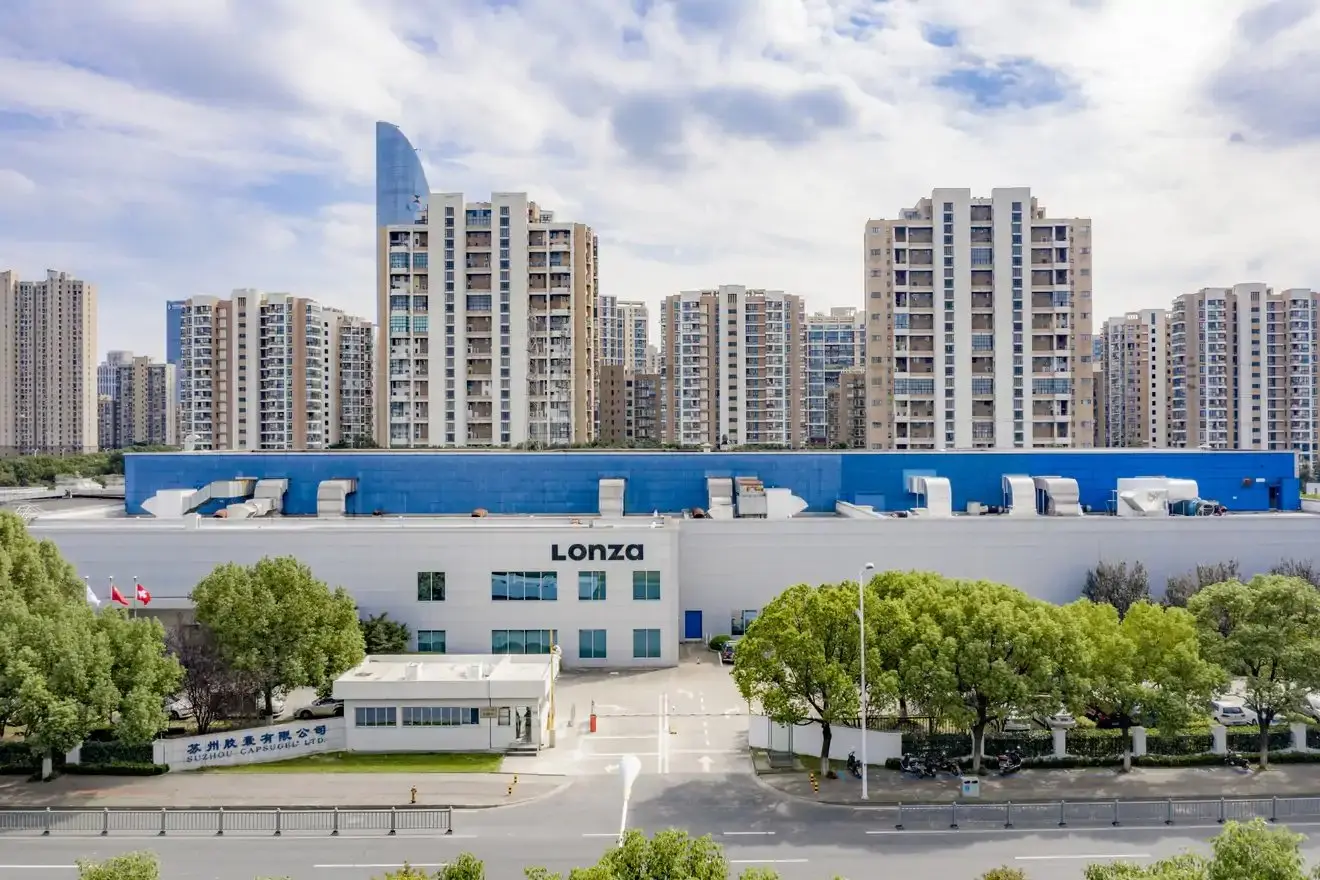
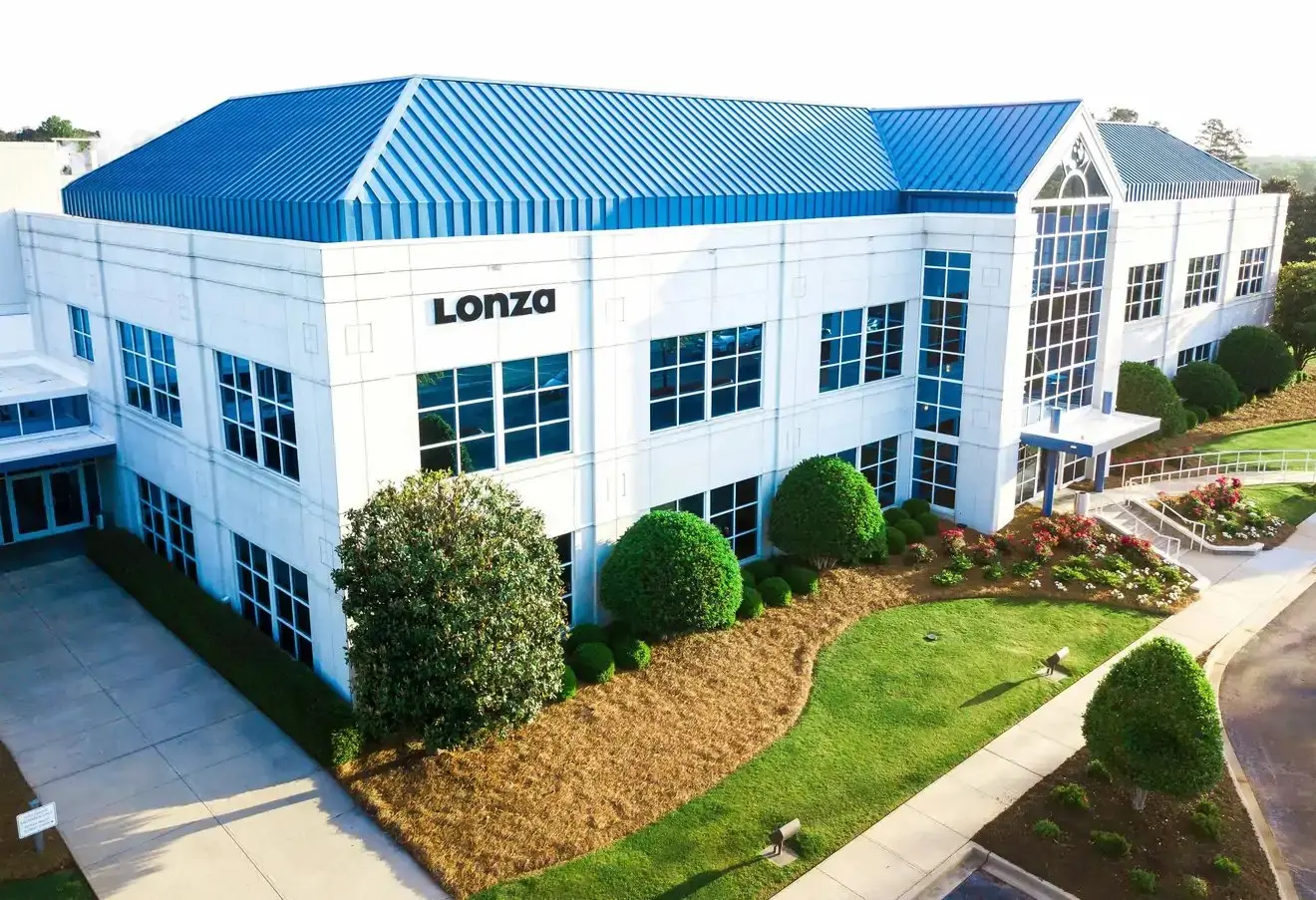
- Onshore certainty: Capsules manufactured in Greenwood, South Carolina and Puebla, Mexico, with clear country of origin
- Reduced trade exposure: Lower risk from tariffs, duties, and geopolitical disruption
- Highest quality materials: Gelatin, HPMC, and pullulan capsule capabilities
- Regulatory & quality alignment: U.S. regulatory standards with robust quality systems
- Operational clarity: Forecast-based lead times, safety stock options, and continuity planning support
- Scalable supply: Designed to support growth, product launches, and portfolio expansion
Safeguarding capsule supply chains
For nutraceutical manufacturers, these trade rulings elevate the importance of supply chain transparency and proactive planning. Understanding supplier exposure, maintaining open communication on pricing and lead-time impacts, and diversifying sourcing strategies are critical steps to mitigate disruption.
With AD/CVD orders expected to remain in effect for at least five years—and many trade cases extending well beyond initial terms—companies that prioritize domestic manufacturing and resilient supply partnerships are better positioned to protect continuity and manage future uncertainty.
Plan now for 2026 and beyond
Formulation timelines make proactive planning essential for continuity and future program stability. Our team can support your next steps.
You might be interested in:
- Speaking with a capsule expert about North American-based supply options
- Requesting samples
- Reviewing documentation to support QA and regulatory planning
Start a conversation
Additional Resources
Capsules & Health Ingredients
Related Insights

Latest news
Our network